Are Bar Code Readers Worth the Investment For Your Business?
Bar code readers have become integral in industries ranging from retail to logistics. They simplify tasks, enhance accuracy, and speed up operations, making them indispensable in today's fast-paced world. Whether you're managing a bustling retail store or a large-scale warehouse, bar code readers can streamline your processes. In this blog, we'll explore their benefits, essential features, and practical use cases to help you decide if they're worth the investment for your business.
Understanding Bar Code Reader Basics
Believe it or not, bar codes have been around since the 1970s, revolutionizing how we handle data in retail and beyond. Let’s break it down: 1D bar codes like the familiar UPCs are the vertical dashes you see on almost every product. They’re great for tracking inventory and sales in a straightforward way. On the other hand, 2D bar codes like QR codes can store much more data—URLs, contact information, you name it—making them ideal for complex applications such as inventory management in tech-savvy settings. Imagine that!
Now, when it comes to bar code readers, we have several technologies. Laser scanners are precise and usually cost-effective, scanning the lines of 1D codes. Alternatively, CCD (Charge Coupled Device) readers capture images of bar codes, which works great for close-range scanning. Then there's imaging systems, which take it a step further by reading both 1D and 2D codes. Knowing these differences is not just interesting; it’s crucial. Why? Because understanding this tech helps you choose the right reader for your business, especially when you consider the environment and type of codes in use—it's all about meeting your business needs! Check out more on the importance of tech choices here.Key Features and Specifications to Look For
When you're in the market for a new bar code reader, features like scan speed can really make a difference—think of how much faster checkout becomes with a swift scanner. Decoding capability is also crucial; some models handle only 1D codes while others can decode complex 2D symbologies. You can't forget about connectivity either. Options like USB, Bluetooth, and Wi-Fi connectivity offer flexibility depending on your setup. USB connections are typically more reliable, but wireless options provide freedom of movement, essential in hectic environments like warehouses.
Speaking of flexibility, ergonomic design shouldn’t be underestimated—after all, who wants hand cramps after a long shift? Durability matters too, especially if your business involves outdoor operations or rugged warehouse floors. And before I forget: Wireless readers might be more expensive initially, but in my experience, the boost in mobility and convenience often justifies the cost. A friend of mine even said their team became more efficient simply because moving around wasn't such a hassle anymore. So while a wireless reader could seem like an indulgence, it's often worth it in dynamic work environments.The Benefits of Implementing Bar Code Readers
Implementing bar code readers in your operations offers a suite of benefits that can genuinely transform your business. Just picture faster checkouts in retail or streamlined stock takes in warehousing—these efficiencies are often attainable by utilizing bar code technology. Not only do they speed things up, but they also ensure accuracy. What used to take hours by hand can often be done in minutes with a reader. And who doesn't want to save on labor costs while improving accuracy? There's more at play than just speed and cost-savings, though.
In retail, for example, having an accurate inventory means fewer stockouts and lost sales—a scenario every business wants to avoid. In warehousing, improved inventory control reduces waste and optimizes storage use. It's not merely hypothetical; these are documented improvements many businesses experience. Oh, and let's not overlook human error reduction. Mistakes happen, but with bar codes, they're less likely to be crippling. From my own industry experiences, the difference is noticeable. If you're thinking about bar codes for your business, take a moment to envision these potential gains. Learn more about optimizing your inventory process here.Use Cases: Where Bar Code Readers Excel
Bar code readers find their place in multiple scenarios across industries. Consider retail, where they enable quick product scanning at checkout and help track inventory levels. That’s why you’ll see them in every supermarket. In healthcare, bar code readers ensure the accuracy of patient information and medication management—imagine reducing errors simply by scanning bar codes on patient IDs or medication bottles.
Logistics and supply chain sectors benefit greatly, as bar code readers support accurate order processing and timely delivery. Take a logistic hub; tracking packages efficiently can make the difference between a timely delivery and a disgruntled customer. This ability to streamline was a game-changer for one warehouse manager I know—they reduced lost packages significantly by integrating bar code readers into their process. Different models cater to different needs, but selecting the right one can substantially impact your business operations. Whether it's a handheld device in a retail environment or fixed scanners in a warehouse, the choice of bar code reader should align with your organizational needs to reap its full benefits. And, as sometimes experienced, the wrong choice can lead to costly inefficiencies.Comparing Top Models: KOAMTAC vs. Unitech
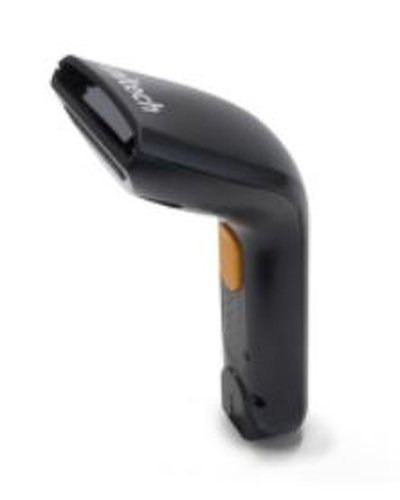
When looking at the KOAMTAC KDC185 and the Unitech AS10, we see two viable options with distinct features. The KOAMTAC shines with its multi-device charging capability, a huge plus in fast-paced environments where downtime is hardly an option. On the other hand, Unitech offers a more affordable choice, with versatility suitable for various environments, such as retail and small-scale logistics.
That said, if your business demands high-volume scanning, the KOAMTAC’s extended battery life and quick charge may prove invaluable. Meanwhile, if affordability and straightforward operational requirements top your list, Unitech could be a match. The choice between these models depends heavily on your specific business applications.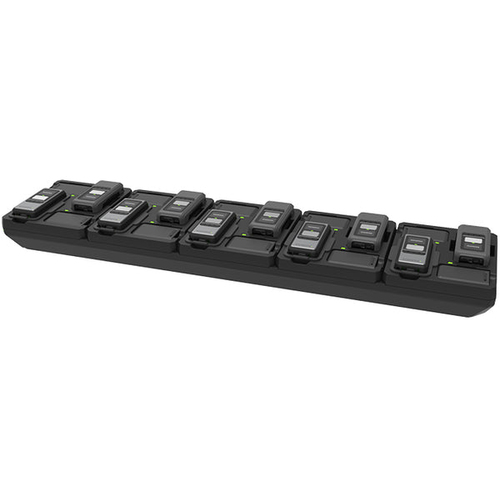
How to Choose the Right Bar Code Reader for Your Business
Picking the right bar code reader requires you to think about your business needs carefully. Start by assessing your environment—will it be a rugged warehouse or a retail store? The volume of reading is also crucial; high-volume scenarios demand faster, more durable devices.
Consider the type of bar codes you'll encounter. Is it mostly simple 1D codes or intricate 2D ones? You'll want a reader suited for your specific bar code types. Another tip? Try demo units before you buy. Many vendors offer this, letting you see firsthand if the readers meet your needs. Additionally, keep an eye on future scalability. As your business grows, so will your tech needs. Ensure the bar code reader you choose can be integrated with your existing systems without a hitch. It's often overlooked, but trust me, ensuring compatibility is critical for seamless operation.Conclusion
In this technology-driven era, bar code readers offer immense value to businesses seeking efficiency and accuracy. It's not just about keeping up with technology—it's about staying ahead. By simplifying data entry, improving inventory management, and reducing errors, these devices contribute to sustainable growth. Remember, investing in a reliable bar code reader could make the difference between operational success and inefficiency.
As you consider your next steps, take a careful look at your needs and options. A well-chosen bar code reader will serve you well into the future. Curious to explore further? Dive into more insightful content on our technology solutions page to find your perfect match.Frequently Asked Questions
Common questions about Bar Code Reader