Are You Choosing the Right Laptop for Your Needs?
Choosing a laptop isn't as simple as it once was. With the rapid explosion of options on the market today, selecting the perfect one can feel daunting. Your laptop is more than just a piece of technology; it's an essential tool tailored to fit your personal needs and preferences. This guide aims to cut through the clutter, helping you decide what's best for you by exploring key features and making insightful comparisons.
Understanding Laptop Features
When it comes to laptops, it's key to know what features directly impact performance. Processors are like a laptop's brain—they handle the tasks you throw at it. Many people find that Intel Core i5 or AMD Ryzen 5 offer a sweet spot between capabilities and cost. Meanwhile, a lot of users underestimate the importance of RAM; 8GB is often the minimum for smooth operation in business environments.
Storage options also play a significant role, especially with cloud solutions becoming increasingly central to IT setups. Solid State Drives (SSDs) are faster than traditional hard drives, significantly boosting speed for data retrieval. Graphics capabilities are typically more crucial for creative professionals or gamers. I've learned the hard way that opting for integrated graphics can save money but limits 3D rendering or video editing tasks. Chatting with friends who've made difficult tech choices made me realize that sometimes the promise of high specs doesn't match practical needs. A balance of these features (learn more here) ensures that you're not investing in bells and whistles you won't use.Benefits of the Right Laptop
Select the right laptop, and you'll notice an immediate improvement in productivity. A machine tailored to your workload facilitates seamless multitasking, crucial for those managing hybrid work and educational tech environments. Now, you see, value isn't just in flashy specs, but in how they integrate into daily routines. This can mean swifter project completion, less downtime, and a smoother workflow. Trust me, investing time in choosing wisely pays off.
Imagine the reverse scenario—selecting a model that oversells in one area but underdelivers where it counts. You're looking at potential setbacks in daily operations and an inevitable buyer’s remorse. You'd be surprised how often this happens, particularly in scenarios where decision-makers aren’t aligned with actual use cases. Having the right device can make or break efficiency, and in the long run, some find it valuable to assess not just immediate needs, but also scalability for future demands. An informed choice ensures the machine you pick enhances rather than detracts from your digital experience. Keeping up with trends? Consider browsing related insights here to fortify your decision.Practical Use Cases and Scenarios
Not every laptop is going to be ideal for every situation—and that's okay. Take gaming laptops, for instance. They're often equipped with high-end GPUs like the NVIDIA RTX series, fantastic for gaming, but maybe overkill for someone who wants it primarily for work spreadsheets. On the other hand, laptops designed for business computing, like those often featuring more extended warranties or robust build quality, might not cater to designers looking for intensive color displays.
So, what are you planning to do with your laptop? Are you often editing videos? Then you'll likely need a machine with high processing power and ample storage. Conversely, if it's just for school or basic office work, even a budget model could suffice. Saying that, emerging trends lean towards hybrid models. These offer benefits like touchscreens or folding designs that accommodate versatile working environments. Want to future-proof your choice? Consider upcoming tech shifts you might not use today but will appreciate tomorrow, as discussed in our analysis of significant trends. It's crucial to align your choice with current practical needs and gradually unfolding industry shifts.Navigating the Sea of Options
Stepping into the world of laptops can feel like a dive into an overwhelming sea of options. But fear not! Evaluating your needs becomes a fun challenge. And trust me, it combines a bit of humor and practicality. Start by zeroing in on specific brands. How reliable are they? Customer support matters—I learned this when a minor issue turned into a week-long distraction. You also want to consider the practicality of warranty periods, especially in IT-driven environments where every hour counts.
Think about longevity and sustainability too. How about CPUs rated for longer use or eco-friendly practices in manufacturing? There's something genuinely rewarding knowing the choices align with not just technical needs, but ethical considerations. The decision-making process doesn’t have to feel like trial by fire! Look at IT needs, like evaluating storage options adequate for growing data. As you navigate the myriad of possibilities, remember these aren't merely gimmicks but rather parts of a balanced tech lifestyle. For useful insights and a curated selection, head over here for more in-depth guidance.HP EliteBook 840 vs. ASUS M509
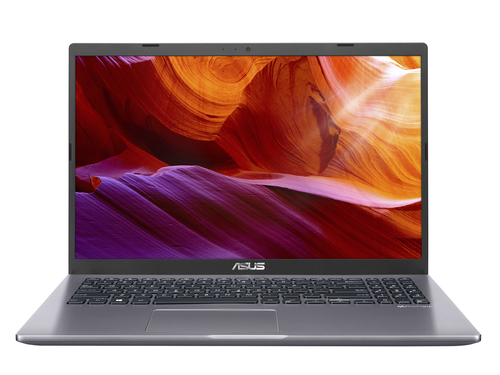
When it comes to comparing the HP EliteBook 840 14 inch G10 Notebook PC and the ASUS M509DA-RS21 laptop, we're really looking at flexibility and specialization. The HP EliteBook, with its sleek design, is a powerhouse for hybrid working conditions; it exudes a professional aura that fits into corporate spaces seamlessly. Meanwhile, the ASUS M509 might catch your eye for home or small office setups where adaptability reigns supreme.
The EliteBook delivers robust storage and processing power, often more than needed for basic tasks. On the contrary, the ASUS M509 offers a balance conducive to flexible working, with its modest yet efficient specifications. Both models have their unique strengths, so align your choice with specific scenarios you're encountering. Dive deeper into how these aspects matter for a more expansive understanding of which model fits your expectations for 2023.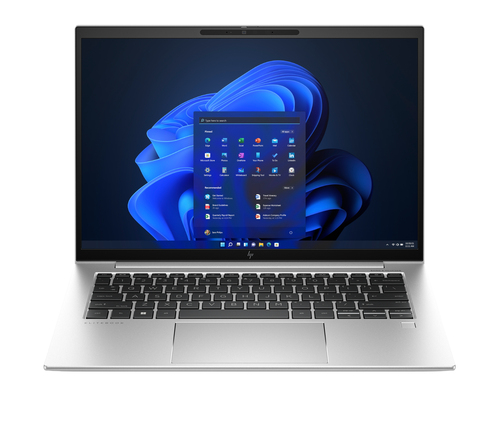
How to Choose the Perfect Laptop
Start by assessing your present situation—your laptop isn't just a purchase but an investment for the future. Ask yourself what tasks do you perform daily? Are there likely changes on the horizon that might require additional features? Set a realistic budget, as this often influences specifications you'd prioritize.
Next, identify the primary uses, whether it's for gaming, office work, or creative tasks. This helps formulate a wish list of desired features like screen size or battery life. Research is key. Head to reputable tech review sites, which I've found invaluable for unbiased opinions. If you have the chance, visit a store and test drive the models yourself to see how they feel and perform. Remember, while the total cost might seem hefty, it’s crucial to weigh this against the perceived value. After all, the wrong choice may lead to additional costs down the line. For a comprehensive approach to align with your goals, explore further guidance here.Conclusion
In conclusion, choosing the right laptop involves weighing tech features, practical benefits, and contextual use cases. Be patient and purposeful, reflecting on each aspect before plunging into a purchase. Avoid the pitfall of buyer's remorse by focusing on how each feature serves your long-term intentions. Resources like DHE MyShop can offer invaluable tools for making informed decisions.
Your journey should conclude not just with a functional device, but with an extension of your needs and style, harmoniously intertwining utility and cost-efficiency. Go forward confidently, knowing that educated choices in the tech arena will invariably lead to rewarding experiences without unnecessary expenditure. Enjoy a satisfying and rewarding tech landscape!Frequently Asked Questions
Common questions about Laptop